
Muslim, Jewish, Hindu, Sikh and Buddhist prayers
Surah Al-Mulk (67): Arabic, English and meaning
Surah Al-Mulk, "The Sovereignty", is the 67th surah of the Qur'an: a Makki surah of 30 ayat that opens the 29th juz. It reminds the reader that all dominion belongs to Allah, that life and death are a test of who does best, and it invites reflection on the heavens, the earth and the birds held in the sky.
Surah Al-Mulk in Arabic and English, section by section
تَبَٰرَكَ ٱلَّذِى بِيَدِهِ ٱلْمُلْكُ وَهُوَ عَلَىٰ كُلِّ شَىْءٍۢ قَدِيرٌ ﴿١﴾ ٱلَّذِى خَلَقَ ٱلْمَوْتَ وَٱلْحَيَوٰةَ لِيَبْلُوَكُمْ أَيُّكُمْ أَحْسَنُ عَمَلًۭا ۚ وَهُوَ ٱلْعَزِيزُ ٱلْغَفُورُ ﴿٢﴾ ٱلَّذِى خَلَقَ سَبْعَ سَمَٰوَٰتٍۢ طِبَاقًۭا ۖ مَّا تَرَىٰ فِى خَلْقِ ٱلرَّحْمَٰنِ مِن تَفَٰوُتٍۢ ۖ فَٱرْجِعِ ٱلْبَصَرَ هَلْ تَرَىٰ مِن فُطُورٍۢ ﴿٣﴾ ثُمَّ ٱرْجِعِ ٱلْبَصَرَ كَرَّتَيْنِ يَنقَلِبْ إِلَيْكَ ٱلْبَصَرُ خَاسِئًۭا وَهُوَ حَسِيرٌۭ ﴿٤﴾ وَلَقَدْ زَيَّنَّا ٱلسَّمَآءَ ٱلدُّنْيَا بِمَصَٰبِيحَ وَجَعَلْنَٰهَا رُجُومًۭا لِّلشَّيَٰطِينِ ۖ وَأَعْتَدْنَا لَهُمْ عَذَابَ ٱلسَّعِيرِ ﴿٥﴾
“Blessed is He in Whose hand is the Sovereignty, and, He is Able to do all things. Who hath created life and death that He may try you which of you is best in conduct; and He is the Mighty, the Forgiving, Who hath created seven heavens in harmony. Thou (Muhammad) canst see no fault in the Beneficent One's creation; then look again: Canst thou see any rifts? Then look again and yet again, thy sight will return unto thee weakened and made dim. And verily We have beautified the world's heaven with lamps, and We have made them missiles for the devils, and for them We have prepared the doom of flame.”
Qur’an 67:1-5
Blessed is the One in whose hand is all dominion. He created death and life to test who is best in deeds, and built seven heavens without a single flaw; look again and again, and your sight will come back tired, finding none; and He adorned the nearest heaven with lamps that are also missiles against the devils.
وَلِلَّذِينَ كَفَرُوا۟ بِرَبِّهِمْ عَذَابُ جَهَنَّمَ ۖ وَبِئْسَ ٱلْمَصِيرُ ﴿٦﴾ إِذَآ أُلْقُوا۟ فِيهَا سَمِعُوا۟ لَهَا شَهِيقًۭا وَهِىَ تَفُورُ ﴿٧﴾ تَكَادُ تَمَيَّزُ مِنَ ٱلْغَيْظِ ۖ كُلَّمَآ أُلْقِىَ فِيهَا فَوْجٌۭ سَأَلَهُمْ خَزَنَتُهَآ أَلَمْ يَأْتِكُمْ نَذِيرٌۭ ﴿٨﴾ قَالُوا۟ بَلَىٰ قَدْ جَآءَنَا نَذِيرٌۭ فَكَذَّبْنَا وَقُلْنَا مَا نَزَّلَ ٱللَّهُ مِن شَىْءٍ إِنْ أَنتُمْ إِلَّا فِى ضَلَٰلٍۢ كَبِيرٍۢ ﴿٩﴾ وَقَالُوا۟ لَوْ كُنَّا نَسْمَعُ أَوْ نَعْقِلُ مَا كُنَّا فِىٓ أَصْحَٰبِ ٱلسَّعِيرِ ﴿١٠﴾ فَٱعْتَرَفُوا۟ بِذَنۢبِهِمْ فَسُحْقًۭا لِّأَصْحَٰبِ ٱلسَّعِيرِ ﴿١١﴾
“And for those who disbelieve in their Lord there is the doom of hell, a hapless journey's end! When they are flung therein they hear its roaring as it boileth up, As it would burst with rage. Whenever a (fresh) host is flung therein the wardens thereof ask them: Came there unto you no warner? They say: Yea, verily, a warner came unto us; but we denied and said: Allah hath naught revealed; ye are in naught but a great error. And they say: Had we been wont to listen or have sense, we had not been among the dwellers in the flames. So they acknowledge their sins; but far removed (from mercy) are the dwellers in the flames.”
Qur’an 67:6-11
A warning about the Fire prepared for those who reject their Lord. Its keepers ask whether no warner came to them, and they admit that one did and they denied him.
إِنَّ ٱلَّذِينَ يَخْشَوْنَ رَبَّهُم بِٱلْغَيْبِ لَهُم مَّغْفِرَةٌۭ وَأَجْرٌۭ كَبِيرٌۭ ﴿١٢﴾ وَأَسِرُّوا۟ قَوْلَكُمْ أَوِ ٱجْهَرُوا۟ بِهِۦٓ ۖ إِنَّهُۥ عَلِيمٌۢ بِذَاتِ ٱلصُّدُورِ ﴿١٣﴾ أَلَا يَعْلَمُ مَنْ خَلَقَ وَهُوَ ٱللَّطِيفُ ٱلْخَبِيرُ ﴿١٤﴾ هُوَ ٱلَّذِى جَعَلَ لَكُمُ ٱلْأَرْضَ ذَلُولًۭا فَٱمْشُوا۟ فِى مَنَاكِبِهَا وَكُلُوا۟ مِن رِّزْقِهِۦ ۖ وَإِلَيْهِ ٱلنُّشُورُ ﴿١٥﴾
“Lo! those who fear their Lord in secret, theirs will be forgiveness and a great reward. And keep your opinion secret or proclaim it, lo! He is Knower of all that is in the breasts (of men). Should He not know what He created? And He is the Subtile, the Aware. He it is Who hath made the earth subservient unto you, so Walk in the paths thereof and eat of His providence. And unto Him will be the resurrection (of the dead).”
Qur’an 67:12-15
Forgiveness and a great reward for those who are mindful of their Lord unseen. He knows what is hidden in hearts, and He made the earth gentle for people to walk its paths and eat of His provision.
ءَأَمِنتُم مَّن فِى ٱلسَّمَآءِ أَن يَخْسِفَ بِكُمُ ٱلْأَرْضَ فَإِذَا هِىَ تَمُورُ ﴿١٦﴾ أَمْ أَمِنتُم مَّن فِى ٱلسَّمَآءِ أَن يُرْسِلَ عَلَيْكُمْ حَاصِبًۭا ۖ فَسَتَعْلَمُونَ كَيْفَ نَذِيرِ ﴿١٧﴾ وَلَقَدْ كَذَّبَ ٱلَّذِينَ مِن قَبْلِهِمْ فَكَيْفَ كَانَ نَكِيرِ ﴿١٨﴾ أَوَلَمْ يَرَوْا۟ إِلَى ٱلطَّيْرِ فَوْقَهُمْ صَٰٓفَّٰتٍۢ وَيَقْبِضْنَ ۚ مَا يُمْسِكُهُنَّ إِلَّا ٱلرَّحْمَٰنُ ۚ إِنَّهُۥ بِكُلِّ شَىْءٍۭ بَصِيرٌ ﴿١٩﴾ أَمَّنْ هَٰذَا ٱلَّذِى هُوَ جُندٌۭ لَّكُمْ يَنصُرُكُم مِّن دُونِ ٱلرَّحْمَٰنِ ۚ إِنِ ٱلْكَٰفِرُونَ إِلَّا فِى غُرُورٍ ﴿٢٠﴾ أَمَّنْ هَٰذَا ٱلَّذِى يَرْزُقُكُمْ إِنْ أَمْسَكَ رِزْقَهُۥ ۚ بَل لَّجُّوا۟ فِى عُتُوٍّۢ وَنُفُورٍ ﴿٢١﴾ أَفَمَن يَمْشِى مُكِبًّا عَلَىٰ وَجْهِهِۦٓ أَهْدَىٰٓ أَمَّن يَمْشِى سَوِيًّا عَلَىٰ صِرَٰطٍۢ مُّسْتَقِيمٍۢ ﴿٢٢﴾
“Have ye taken security from Him Who is in the heaven that He will not cause the earth to swallow you when lo! it is convulsed? Or have ye taken security from Him Who is in the heaven that He will not let loose on you a hurricane? But ye shall know the manner of My warning. And verily those before them denied, then (see) the manner of My wrath (with them)! Have they not seen the birds above them spreading out their wings and closing them? Naught upholdeth them save the Beneficent. Lo! He is Seer of all things. Or who is he that will be an army unto you to help you instead of the Beneficent? The disbelievers are in naught but illusion. Or who is he that will provide for you if He should withhold His providence? Nay, but they are set in pride and frowardness. Is he who goeth groping on his face more rightly guided, or he who walketh upright on a straight road?”
Qur’an 67:16-22
Questions that unsettle complacency: can anyone feel safe from Allah's power, who keeps the birds aloft but the Most Merciful, and who could help or provide if He withheld His help?
قُلْ هُوَ ٱلَّذِىٓ أَنشَأَكُمْ وَجَعَلَ لَكُمُ ٱلسَّمْعَ وَٱلْأَبْصَٰرَ وَٱلْأَفْـِٔدَةَ ۖ قَلِيلًۭا مَّا تَشْكُرُونَ ﴿٢٣﴾ قُلْ هُوَ ٱلَّذِى ذَرَأَكُمْ فِى ٱلْأَرْضِ وَإِلَيْهِ تُحْشَرُونَ ﴿٢٤﴾ وَيَقُولُونَ مَتَىٰ هَٰذَا ٱلْوَعْدُ إِن كُنتُمْ صَٰدِقِينَ ﴿٢٥﴾ قُلْ إِنَّمَا ٱلْعِلْمُ عِندَ ٱللَّهِ وَإِنَّمَآ أَنَا۠ نَذِيرٌۭ مُّبِينٌۭ ﴿٢٦﴾ فَلَمَّا رَأَوْهُ زُلْفَةًۭ سِيٓـَٔتْ وُجُوهُ ٱلَّذِينَ كَفَرُوا۟ وَقِيلَ هَٰذَا ٱلَّذِى كُنتُم بِهِۦ تَدَّعُونَ ﴿٢٧﴾
“Say (unto them, O Muhammad): He it is who gave you being, and hath assigned unto you ears and eyes and hearts. Small thanks give ye! Say: He it is Who multiplieth you in the earth, and unto Whom ye will be gathered. And they say: When (will) this promise (be fulfilled), if ye are truthful? Say: The knowledge is with Allah only, and I am but a plain warner; But when they see it nigh, the faces of those who disbelieve will be awry, and it will be said (unto them): This is that for which ye used to call.”
Qur’an 67:23-27
Allah gave people hearing, sight and hearts, yet they are seldom grateful. When they ask when the promised Day will come, the Prophet is told to say that its knowledge is with Allah alone.
قُلْ أَرَءَيْتُمْ إِنْ أَهْلَكَنِىَ ٱللَّهُ وَمَن مَّعِىَ أَوْ رَحِمَنَا فَمَن يُجِيرُ ٱلْكَٰفِرِينَ مِنْ عَذَابٍ أَلِيمٍۢ ﴿٢٨﴾ قُلْ هُوَ ٱلرَّحْمَٰنُ ءَامَنَّا بِهِۦ وَعَلَيْهِ تَوَكَّلْنَا ۖ فَسَتَعْلَمُونَ مَنْ هُوَ فِى ضَلَٰلٍۢ مُّبِينٍۢ ﴿٢٩﴾ قُلْ أَرَءَيْتُمْ إِنْ أَصْبَحَ مَآؤُكُمْ غَوْرًۭا فَمَن يَأْتِيكُم بِمَآءٍۢ مَّعِينٍۭ ﴿٣٠﴾
“Say (O Muhammad): Have ye thought: Whether Allah causeth me (Muhammad) and those with me to perish or hath mercy on us, still, who will protect the disbelievers from a painful doom? Say: He is the Beneficent. In Him we believe and in Him we put our trust. And ye will soon know who it is that is in error manifest. Say: Have ye thought: If (all) your water were to disappear into the earth, who then could bring you gushing water?”
Qur’an 67:28-30
The surah closes by affirming trust in the Most Merciful, and with a last question: if your water sank away into the earth, who could bring you flowing water?
Qur'an: Arabic text from the Tanzil Project (tanzil.net); English translation by Marmaduke Pickthall (1930), which is in the public domain. A translation conveys the meaning; the Qur'an itself is the Arabic.
A prayer you can pray
A dua in your own words before sleep
O Allah, You hold the dominion of everything, and You hold me tonight. Forgive what I did wrong today, accept what I did for Your sake, and let me wake, if You will, closer to You.
Protect my family while we sleep, and make the Qur'an a light for us in this life and the next. Ameen.
Why Muslims recite it
Many Muslims read Al-Mulk every night before sleeping. The practice rests on hadith reports that describe the surah interceding for the one who recites it and protecting them in the grave; many scholars accept these reports as sound, while others grade some of their chains differently, so the strength attached to each virtue varies. What is beyond dispute is the surah itself: short enough to read in ten minutes, and full of questions that turn the reader back to Allah. Who created death and life? Who holds the birds up? Who would bring water if the springs sank into the earth? Reading it at the end of the day is a way of placing the day, and the night, in Allah's hands, and of remembering that the One who holds dominion over everything is also the Most Merciful.
How to make Al-Mulk part of your night
- 01
Listen first
Play a recitation by a reciter you love and follow the Arabic with your finger or eyes. Hearing the rhythm makes it far easier to read and later to memorise.
- 02
Read the meaning, one section a night
Take one of the six sections above each night for a week and read the English slowly after the Arabic. Ask yourself what the questions in it are asking of you.
- 03
Memorise a few ayat a week
Thirty ayat is very achievable. Many people learn three to five a week, revising the earlier ones each night, and know the whole surah within two or three months.
- 04
Tie it to a fixed moment
After Isha, or the last thing before turning off the light. A fixed moment matters more than the exact time.
- 05
Come back after missed nights
If you miss a night, simply read it the next. Consistency, even when small, is what most scholars encourage.
Across schools and traditions
- On the reported virtues
- Scholars of hadith assess the reports about Al-Mulk's virtues differently; many accept the core report about its intercession as authentic, and some treat related narrations as weaker. Reading it at night is widely practised across Sunni and Shia communities alike.
- Reading or listening
- Most scholars encourage reading or reciting it yourself where you can; listening attentively to a recitation is also valued, especially for those still learning to read Arabic.
What tends not to work
Treating the recitation as a charm while never asking what it means. The surah is full of questions meant to be pondered.
Relying on one English translation as if it were the Qur'an itself. A translation conveys meaning; the Qur'an is the Arabic.
Giving up because you can't read it every single night. A few nights a week is far better than none.
Common questions
How long does it take to read Surah Al-Mulk?
About eight to twelve minutes at a steady pace in Arabic, depending on how quickly you read. Reading the English meaning alongside it adds a few minutes more.
When is the best time to read Surah Al-Mulk?
It is most commonly read at night, after Isha or before sleeping, based on hadith reports about the Prophet (peace be upon him) and his companions. You can read it at any time of day.
Can I read it from my phone without wudu?
Scholars differ. Many hold that reading from a phone or screen without wudu is permitted because a screen is not a physical mushaf, and reciting from memory without wudu is widely allowed; touching a printed mushaf without wudu is held by most scholars to be impermissible. Follow the view of a scholar you trust.
Which juz is Surah Al-Mulk in?
It opens the 29th juz, which is why that juz is often called Juz Tabarak, after the surah's first word.
Where Vangie fits
Someone who checks on you
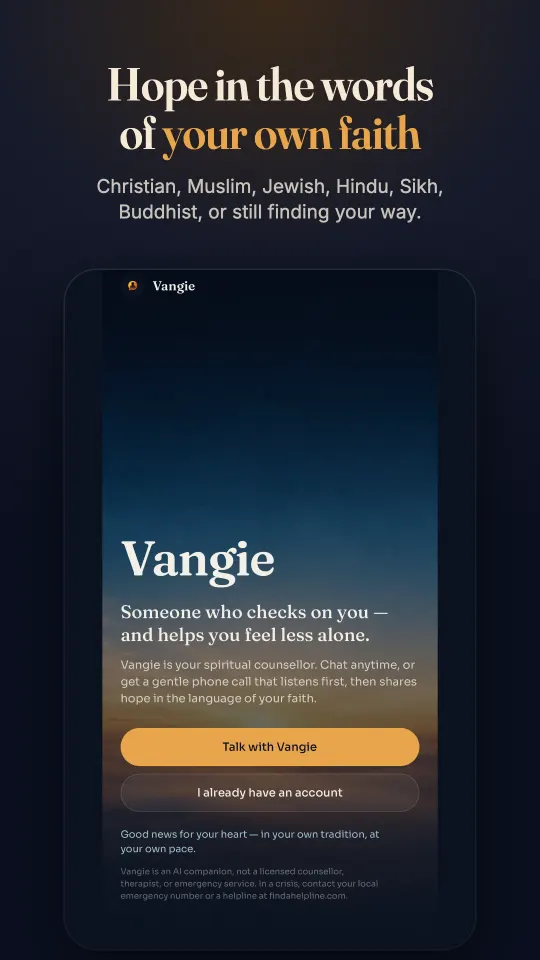
Vangie is an AI companion you can talk to any time by chat, or by a gentle phone call that listens first. Choose Muslim as your tradition and she speaks from the Qur'an and hadith, searching for a passage before she quotes it rather than quoting from memory, and she says Qur'an, not scripture. She can make dua with you in your own words, keeps what you're praying for in your Journey and asks how it's going, and can check in with a call at the times you choose, for example after Fajr or before you sleep. She never pushes another faith, and she isn't a scholar or imam: for rulings, she'll point you to someone you trust.
General information, not medical or mental health advice. Vangie is an AI companion: not a licensed counsellor, therapist, doctor or member of the clergy, and not an emergency service. If you are worried about your mental health, talk to your GP or doctor; in the UK, NHS 111 can help if you need urgent help but it isn't an emergency.